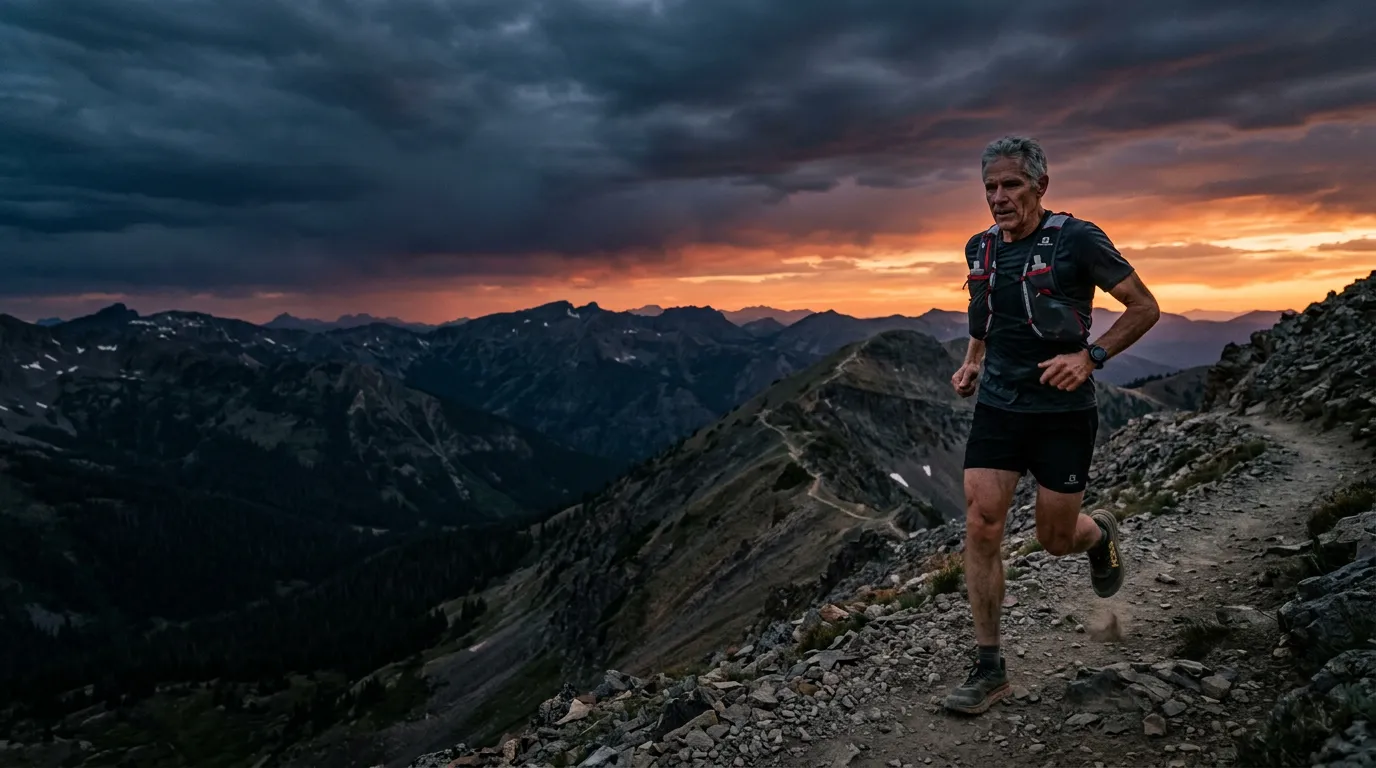
3×8 each leg
Single-Leg Squats
Builds knee stability and mimics uneven terrain loading.
Guided link coming soon
Trail running · Strength · 50K
Because Quality of Life Matters
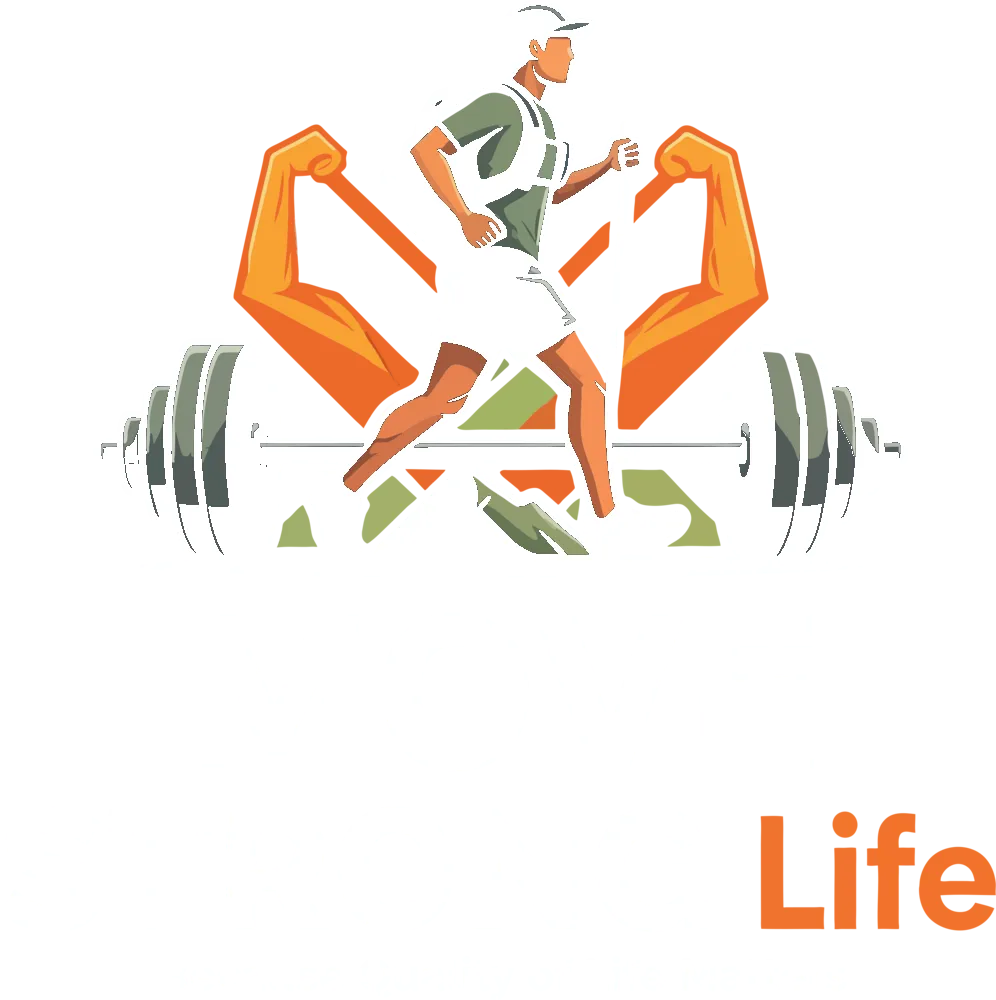
I'm Derek. I quit smoking 37 years ago, started running, and since turning 64 I've finished three 50K ultras. Here I share the plans I train with, from the trails.
About me
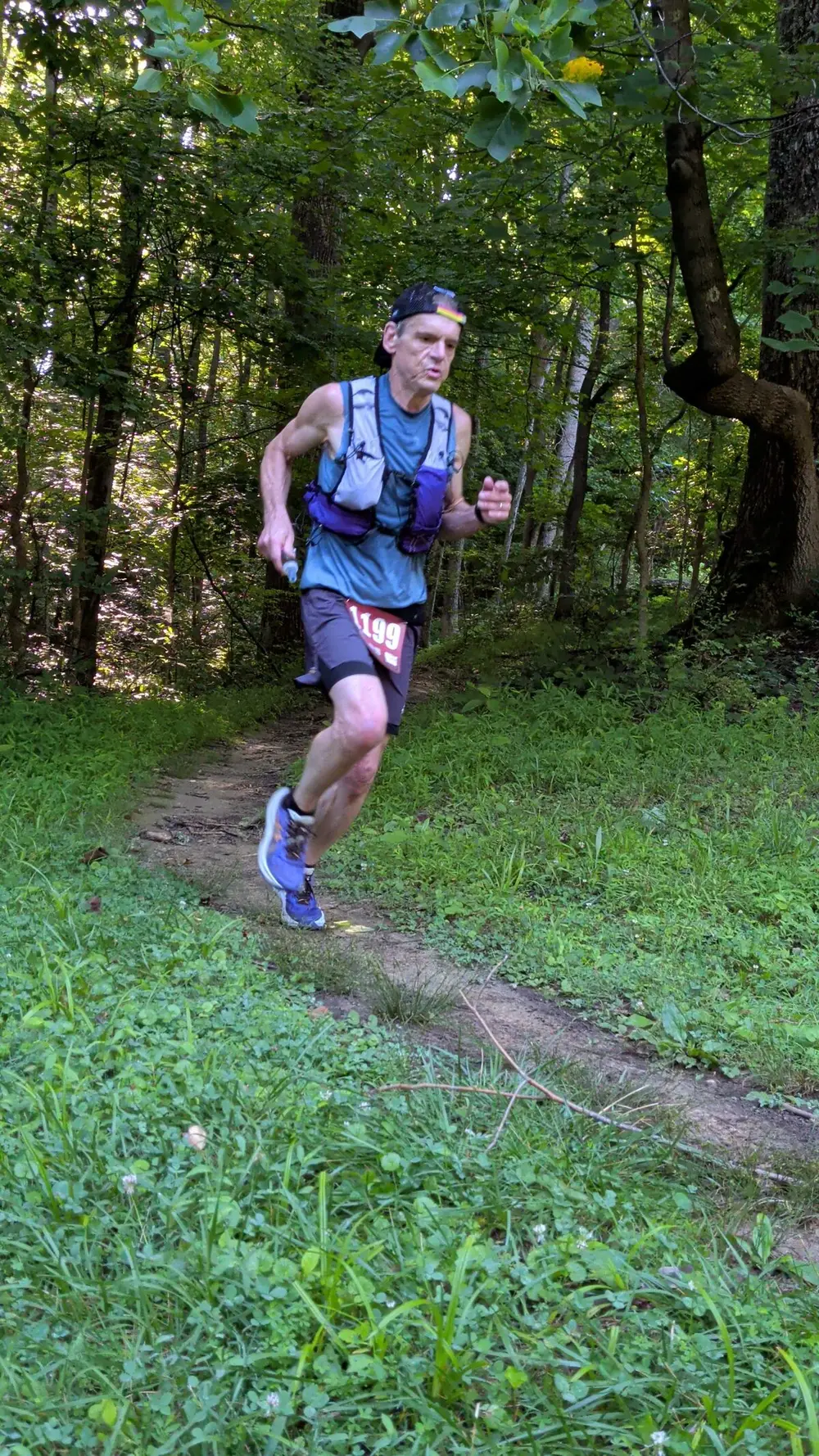
I am a former smoker who quit 37 years ago and started running because cigarettes were too high. I ran my first marathon 20 years later and have since run three 50K ultras since I turned 64, and countless other races.
I love the trails rather than the roads and hope to continue in the 50K space for a long time, God willing. I have been married for 40+ years and have two grown children. I also served four years in the US Air Force as a medic.
My goal is to one day become a certified run coach. These plans are where I'm starting.
Training plan
A solid beginner 50K trail plan needs three things: steady volume growth, terrain-specific strength, and long-run durability. You'll build from ~20 miles/week to ~45–50 miles/week, starting from a modest base (~15–20 miles per week). The plan is intentionally conservative — perfect for a first 50K.
Mileage ranges are flexible; choose the lower end if new to trails.

In weeks 1–4 you will build your base.

This is where the fun really starts.
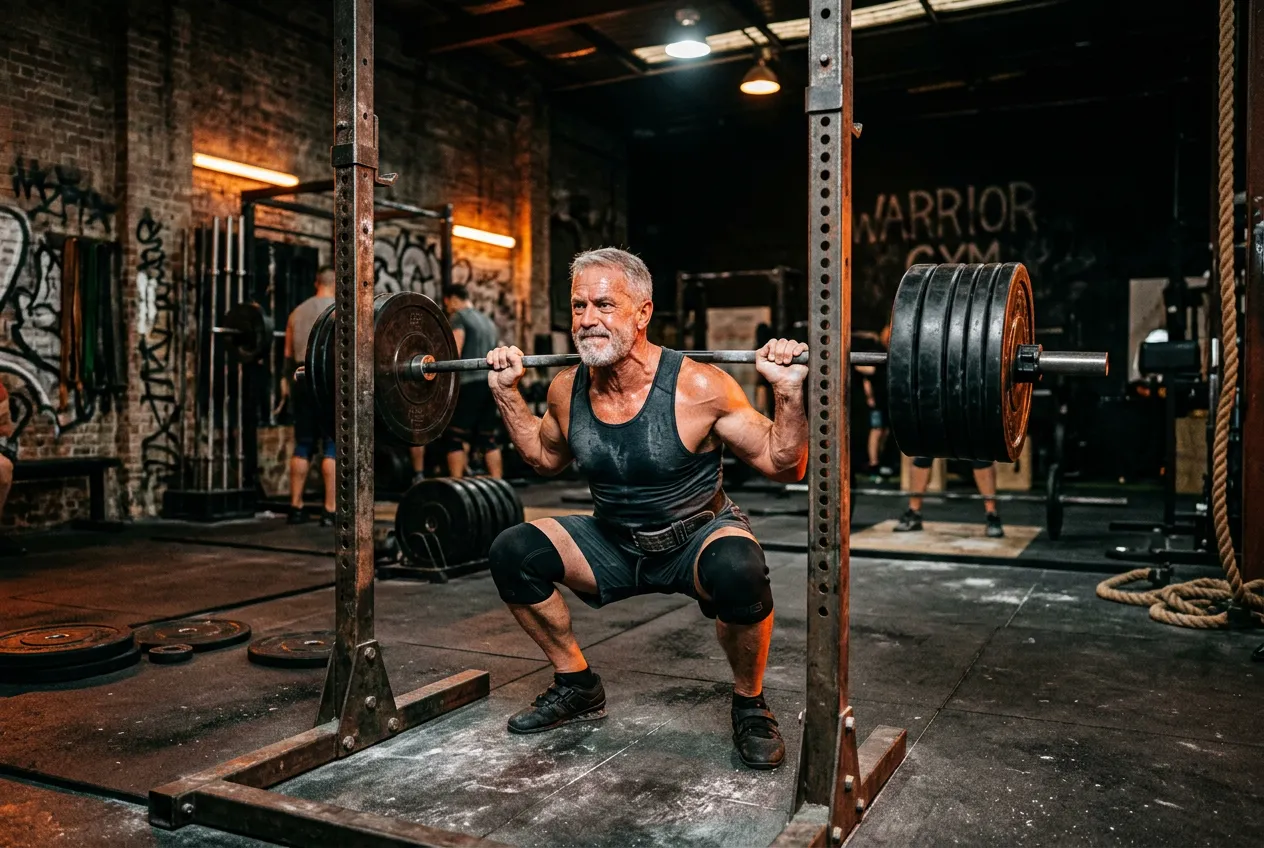
This is where you build your endurance.


Remember to work in overall strength training with a focus on the legs and core, but don't forget upper body. Makes a difference in the way you carry yourself and decreases fatigue.
Strength plan · 2–3×/week
So after doing some reading and study and working on this myself, I found that a strength plan for trail runners has one job: make you durable. Trails demand ankle stability, glute power, core control, and eccentric strength for descents. Below is the best, evidence-based, trail-specific strength program you can run 2–3 times per week alongside your mileage.

Builds knee stability and mimics uneven terrain loading.
Guided link coming soonPosterior-chain strength = better climbing and reduced downhill fatigue.
Guided link coming soonDirect transfer to uphill hiking and running.
Guided link coming soonImproves hip stability and stride power.
Guided link coming soonCritical for climbing and protecting Achilles on steep terrain.
Guided link coming soonThe full strength plan as a printable PDF — sessions, sets, reps and all.
Download PDF
Glute medius = your anti-ankle-roll muscle.
Guided link coming soonSimulates roots, rocks, and uneven surfaces.
Guided link coming soonCore stability keeps you upright on technical terrain.
Guided link coming soonGreat for posture and low-back endurance.
Guided link coming soon“Trail runners don't need bodybuilding volume. They need low reps, high quality, and single-leg control. The biggest performance boost comes from eccentric strength — the ability to control downhill running. That's why split squats, deadlifts, and step-ups are the backbone of this plan.”
I did not include it in the plan itself, but I am a big believer in upper body work as well — you can work those in as you wish. It prevents fatigue, but there are those who do not like this approach.
Shop
Gear for people who believe quality of life matters.
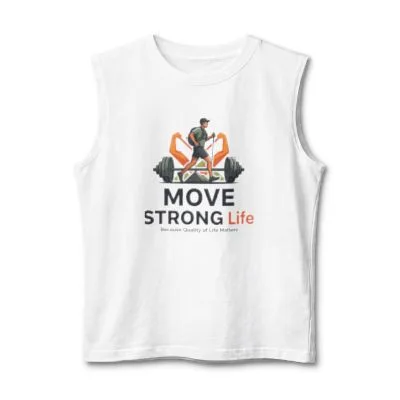
White sleeveless tee with the full MOVE STRONG Life mark.
Placeholder — new apparel on the way.
Placeholder — new apparel on the way.
Links
Gear picks, Linktree and affiliate links coming soon.
Contact
Demo store — no real payment is taken.
Your cart is empty.